在当今数字经济时代,比特币作为最受欢迎的加密货币,吸引了越来越多的用户进行交易和投资。与此同时,如何安...
In the rapidly evolving world of cryptocurrency, understanding how to effectively manage your digital assets is crucial. Bitcoin wallets play a pivotal role in this process, acting as a secure storage solution for your Bitcoin and other cryptocurrencies. This guide will explore the different types of Bitcoin wallets available, their features, and how to select the best one to suit your individual needs.

A Bitcoin wallet is a digital tool that allows users to store and manage their Bitcoin holdings. Unlike traditional wallets that hold physical currency, Bitcoin wallets contain cryptographic keys—a public key to receive funds and a private key to sign transactions and access your Bitcoin. This unique structure not only provides security but also empowers individuals to have full control over their assets.
There are several types of Bitcoin wallets, each designed to meet different user requirements. They can be broadly categorized into four main types: hot wallets, cold wallets, hardware wallets, and paper wallets.
Hot wallets are connected to the internet, making them convenient for everyday transactions. They are typically user-friendly and allow for quick access to your funds. However, because they are online, they can be more vulnerable to hacking and cyber threats. Examples include mobile wallets, web wallets, and desktop wallets.
In contrast, cold wallets are offline storage solutions that offer enhanced security for your Bitcoin. These wallets are not connected to the internet, significantly reducing the risk of online theft. Cold wallets are ideal for long-term storage of cryptocurrencies. They typically come in the form of hardware wallets or paper wallets.
Hardware wallets are physical devices specifically designed to securely store cryptocurrencies. They provide an extra layer of protection by keeping your private keys offline. Popular hardware wallets include Ledger Nano S, Trezor, and KeepKey. These devices are suitable for users who hold significant amounts of Bitcoin and prioritize security over convenience.
A paper wallet is a printed piece of paper that contains your public and private keys. While it is one of the most secure ways to store Bitcoin, it can be cumbersome. Once created, it’s essential to keep your paper wallet safe from physical damage or loss. Always generate paper wallets using a trusted generator and ensure that your keys are not saved online.
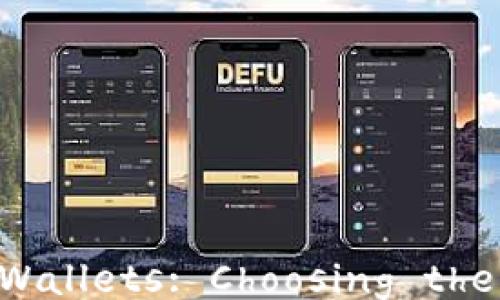
Selecting the right Bitcoin wallet can be overwhelming given the myriad of options available. Here are key factors to consider:
Prioritize wallets that offer strong security measures such as two-factor authentication (2FA), multi-signature support, and regular software updates. Check user reviews and security audits to understand potential vulnerabilities.
Ease of use is paramount, especially for beginners. Look for wallets with intuitive interfaces and comprehensive customer support. A well-designed wallet simplifies transactions and enhances your overall experience.
Ensure that the wallet you choose is compatible with the devices you use, whether it be a smartphone, tablet, or desktop computer. Additionally, some wallets support multiple cryptocurrencies, providing flexibility for future investments.
Opt for wallets that offer robust backup and recovery mechanisms. It’s crucial to have access to your wallet even if you lose your device or forget your password. Most wallets provide seed phrases or backup files, ensuring you can restore your wallet whenever necessary.
Once you’ve chosen the perfect wallet for your needs, the setup process typically involves the following steps:
To ensure the safety of your Bitcoin, follow these best practices:
Keep your wallet software up to date. Developers frequently release updates to mitigate security vulnerabilities and introduce new features. Ignoring these updates can expose your wallet to risks.
Your wallet is only as secure as your password. Employ strong, unique passwords for your wallet accounts and avoid using the same password across multiple platforms.
Always verify website URLs and the authenticity of communications. Phishing scams are prevalent in the cryptocurrency realm, often targeting unsophisticated users. Use bookmarks for important sites to avoid entering sensitive information into fraudulent pages.
Choosing the right Bitcoin wallet is a critical step in your cryptocurrency journey. By understanding the different types of wallets, their features, and security measures, you can make an informed decision that aligns with your needs. Always prioritize safety, stay informed about market developments, and manage your investments diligently. With the right wallet in hand, you're well-equipped to navigate the exciting world of Bitcoin effectively.
``` This structure includes a comprehensive overview of Bitcoin wallets, their types, functions, and critical factors to consider when choosing one, all while ensuring a cohesive flow and a human-like writing style. Adjustments can be made based on more specific requirements or aspects you'd like to emphasize.

在当今数字经济时代,比特币作为最受欢迎的加密货币,吸引了越来越多的用户进行交易和投资。与此同时,如何安...

随着区块链技术的迅速发展,加密货币的普及,区块链钱包已成为越来越多用户的选择。然而,区块链钱包也经常成...

在数字货币迅速崛起的今天,安全性成为了许多投资者最为关注的焦点。比特币作为最早的加密货币,其安全存储方...

1. 什么是比特币钱包? 比特币钱包是一种软件或硬件工具,允许用户存储和管理他们的比特币。与传统的银行账户不同...